

 Sweet & Cake
 Coffee & Teas

 English




Smart Shopping During COVID-19: Tips for Staying Safe
Plan Ahead to Minimize Trips
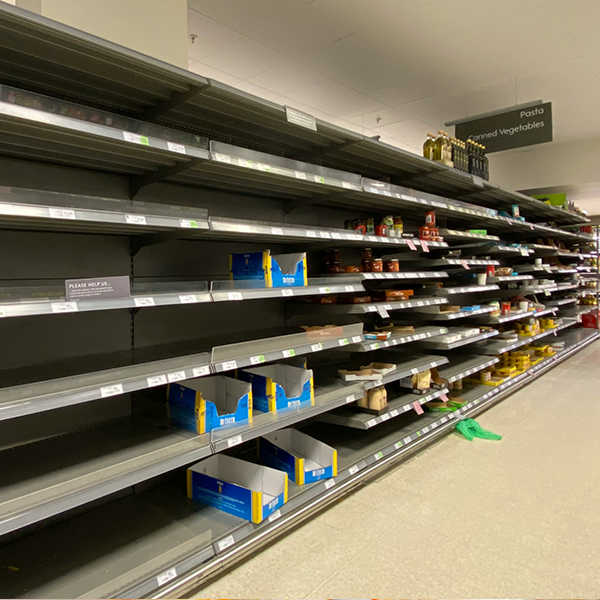
To reduce your time spent in crowded public spaces, plan your shopping trips in advance. Make a list of everything you need for at least a week or two to avoid frequent visits to the store. Group items by category to make your trip faster and more efficient.
Use Online Shopping and Delivery Services
Many supermarkets now offer online shopping and delivery options, which are safer alternatives to in-person shopping. If possible, order your groceries online and opt for contactless delivery. This reduces your exposure to crowds and limits direct contact with others.
Wear a Mask and Maintain Distance
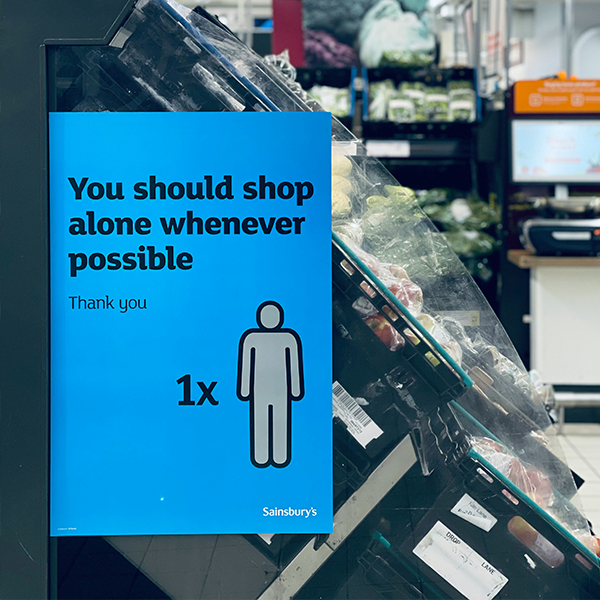
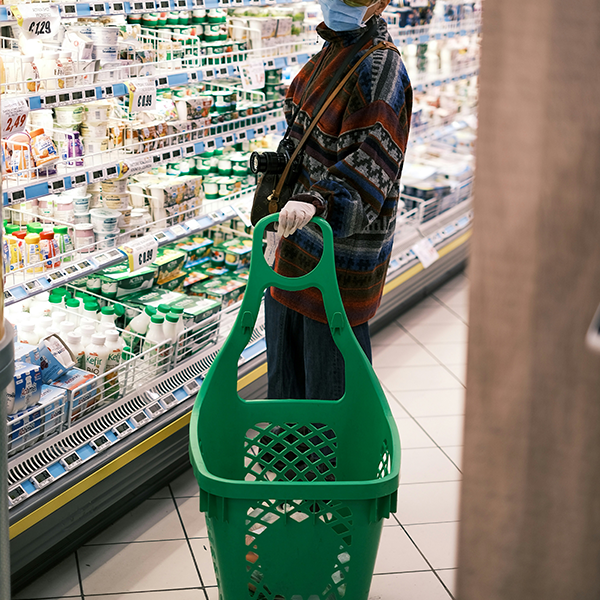
If you must visit a store in person, always wear a mask and maintain physical distance from others. Follow the store’s guidelines for social distancing, which usually involve keeping at least 6 feet of space between yourself and other shoppers. Avoid crowded aisles and peak shopping times when possible.
Sanitize Hands and Shopping Carts
Before entering the store, use hand sanitizer and wipe down the shopping cart handles with disinfecting wipes if available. Many stores now provide sanitation stations at the entrance, so take advantage of these. Refrain from touching your face while shopping, and sanitize your hands again once you leave the store.
Avoid Cash Payments
Wherever possible, use contactless payment methods like mobile wallets or credit/debit cards to minimize contact with shared surfaces. This reduces the chance of virus transmission through handling cash or shared payment terminals.
Disinfect Groceries at Home
Once you bring your groceries home, consider wiping down items with disinfectant wipes, especially packaging that will be stored for longer periods. Wash fresh produce thoroughly with water. Also, be sure to wash your hands after handling groceries and before preparing any food.
Stay Informed
Stay updated on the latest guidelines from health authorities regarding shopping safety during the pandemic. Rules and recommendations may change depending on the status of the virus, so be prepared to adapt your shopping habits accordingly.
Categories
-
 Milks and Dairies
3
Milks and Dairies
3
-
 Clothing & beauty
12
Clothing & beauty
12
-
 Pasta & Grains
9
Pasta & Grains
9
-
 Baking material
6
Baking material
6
-
 Fresh Fruit
9
Fresh Fruit
9
-
 Drinks
8
Drinks
8
-
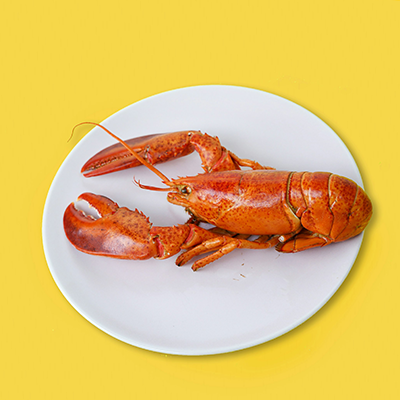 Fresh Seafood
9
Fresh Seafood
9
-
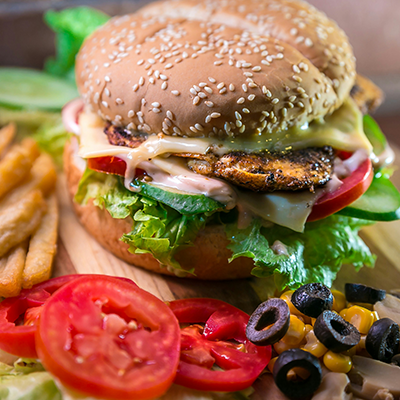 Fast food
3
Fast food
3
-
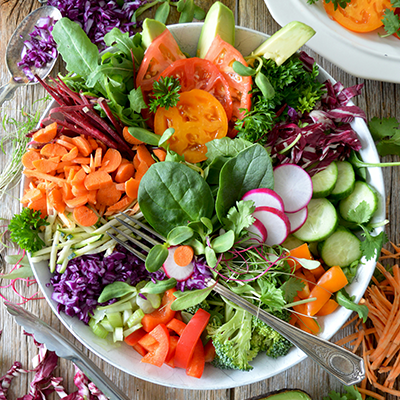 Vegetables
5
Vegetables
5
-
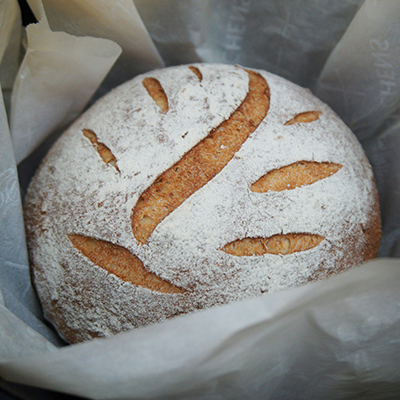 Bread
11
Bread
11
Trending Now